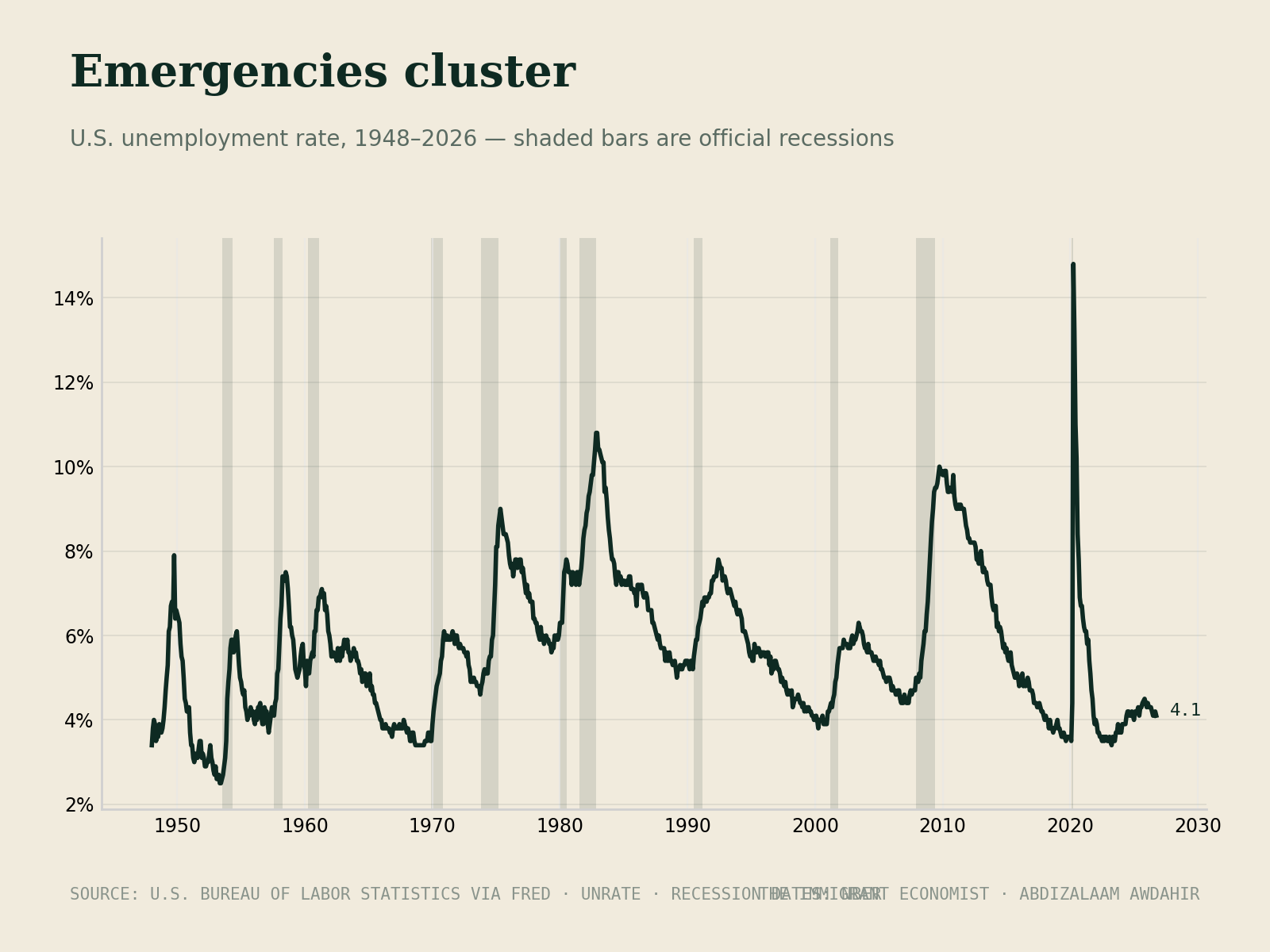
The standard advice — save three to six months of expenses — is correct and almost useless. It's like being told to “eat healthy.” Which expenses? Whose three months? And where do you keep this money so it exists when the emergency actually arrives?
Size it to your life, not a slogan
Start with your survival number: rent or mortgage, utilities, food, transport, insurance, minimum debt payments. Not your current lifestyle — the stripped-down version you'd run if income stopped tomorrow. For most people this is 60–70% of their normal spending, which makes the target less scary than it first appears.
Then adjust for risk. Two incomes, stable industry, no dependents? Three months is plausibly fine. Single income, variable earnings, kids, or a job in a shaky sector? Aim for six or beyond. Freelancers should think in terms of their slowest historical quarter, not their average month.
Where to keep it (and where not to)
An emergency fund has one job: be there, in full, immediately. That rules out the stock market — emergencies have a rude habit of coinciding with downturns. It also rules out your everyday checking account, where the money quietly dissolves into lifestyle. The right home is a separate riba-free savings account — an Islamic bank's profit-sharing savings account pays you a return without interest, which matters, because riba is not a small thing and your safety money is the last place it belongs. What you need is instant or next-day access and just enough friction that you won't dip into it for a sale.
Finally, define “emergency” in writing before one happens. Job loss, medical bills, urgent repairs: yes. Flights for a wedding, a discounted sofa, a festival ticket: no. The definition feels pedantic until the day it protects you from yourself — which is the day the fund was built for.
Enjoyed this? It's also on